Not every classroom has walls; some become galleries.
At University of Rawalpindi, creativity stepped beyond studios and into shared spaces. At the Department of Art & Digital Media, familiar corridors were transformed into vibrant showcases of imagination, technique, and artistic growth, as students from the Digital Design and Computer Arts (DDCA) program brought their ideas to life.
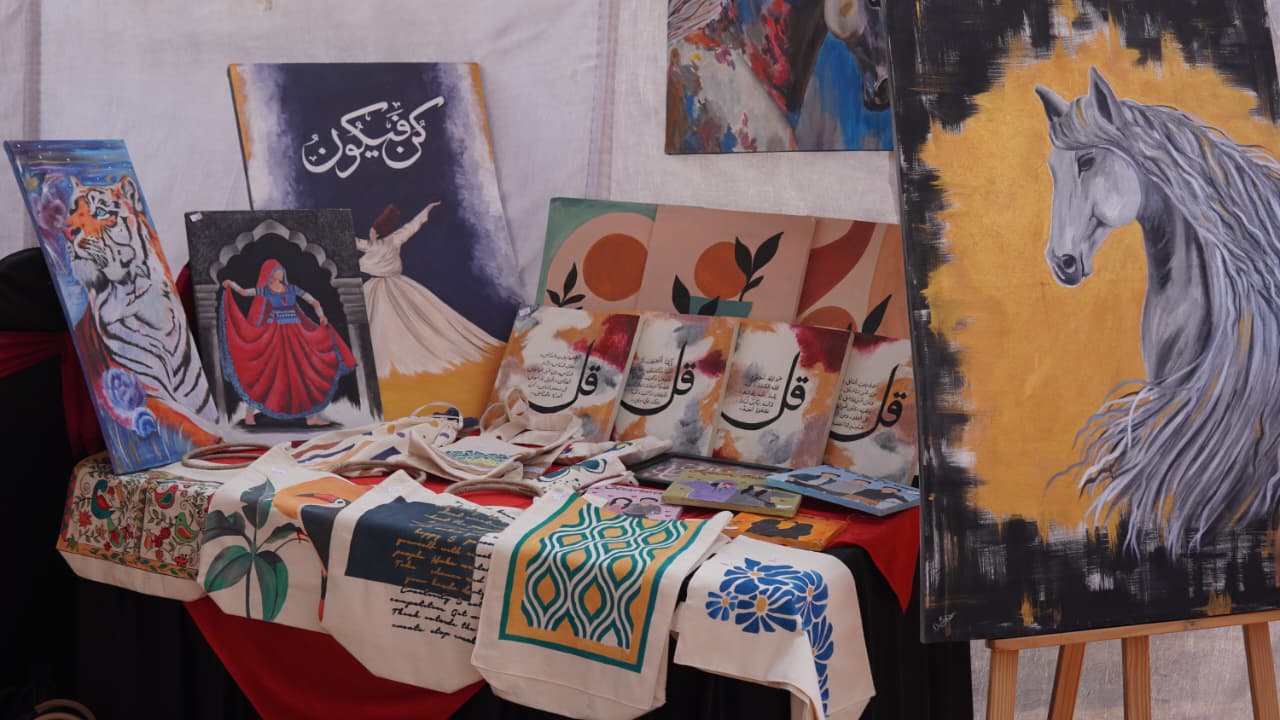
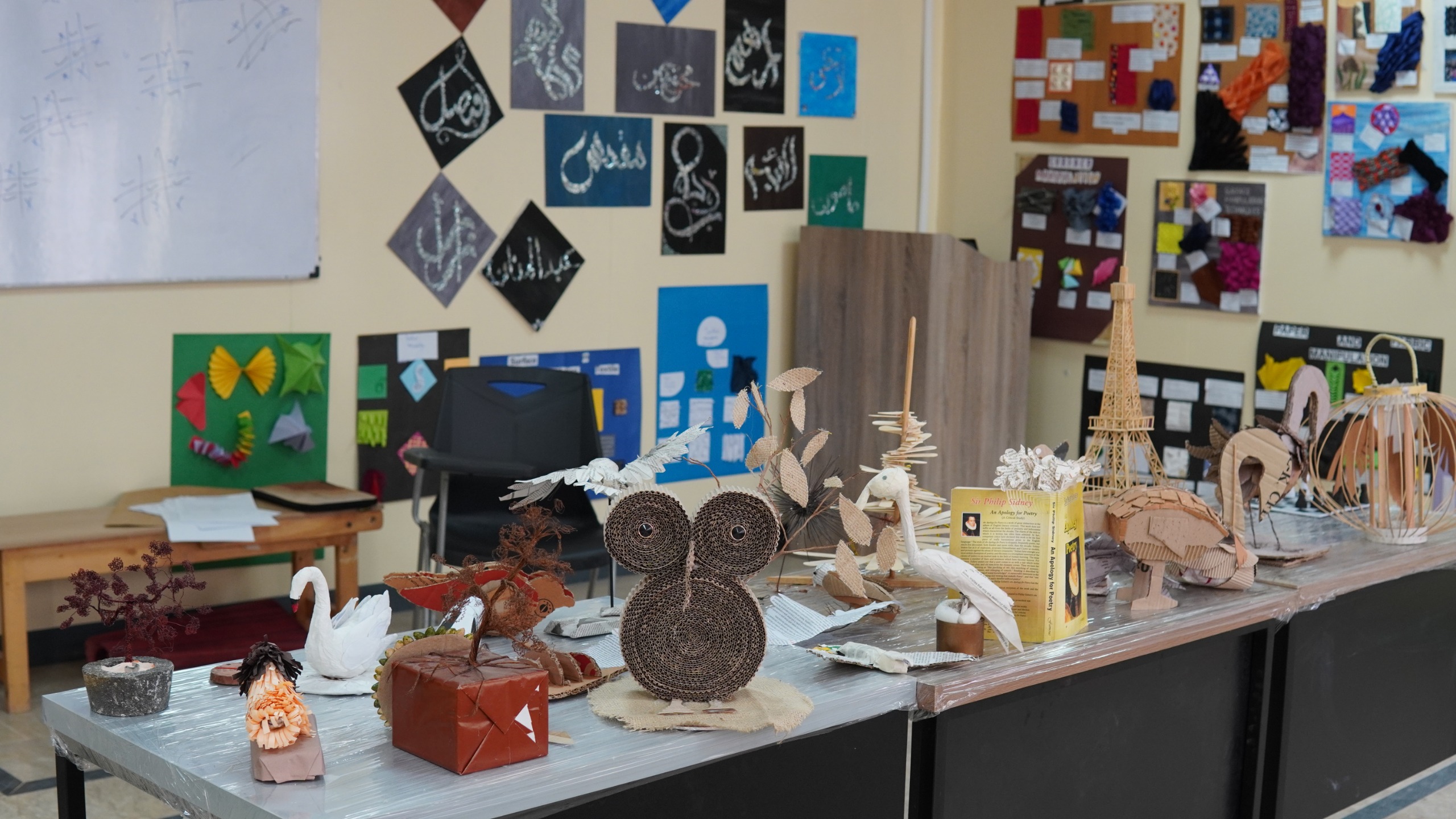
Artworks filled walls, display boards, and curated corners. Each piece invited viewers to pause, observe, and reflect. The exhibition turned everyday university spaces into a living gallery where ideas felt alive.
Students from multiple semesters presented their work, showing how learning evolves through practice, feedback, and experimentation.
Where ideas become visible
Every artwork represented a process. Initial sketches became refined compositions. Technical exercises turned into personal statements.
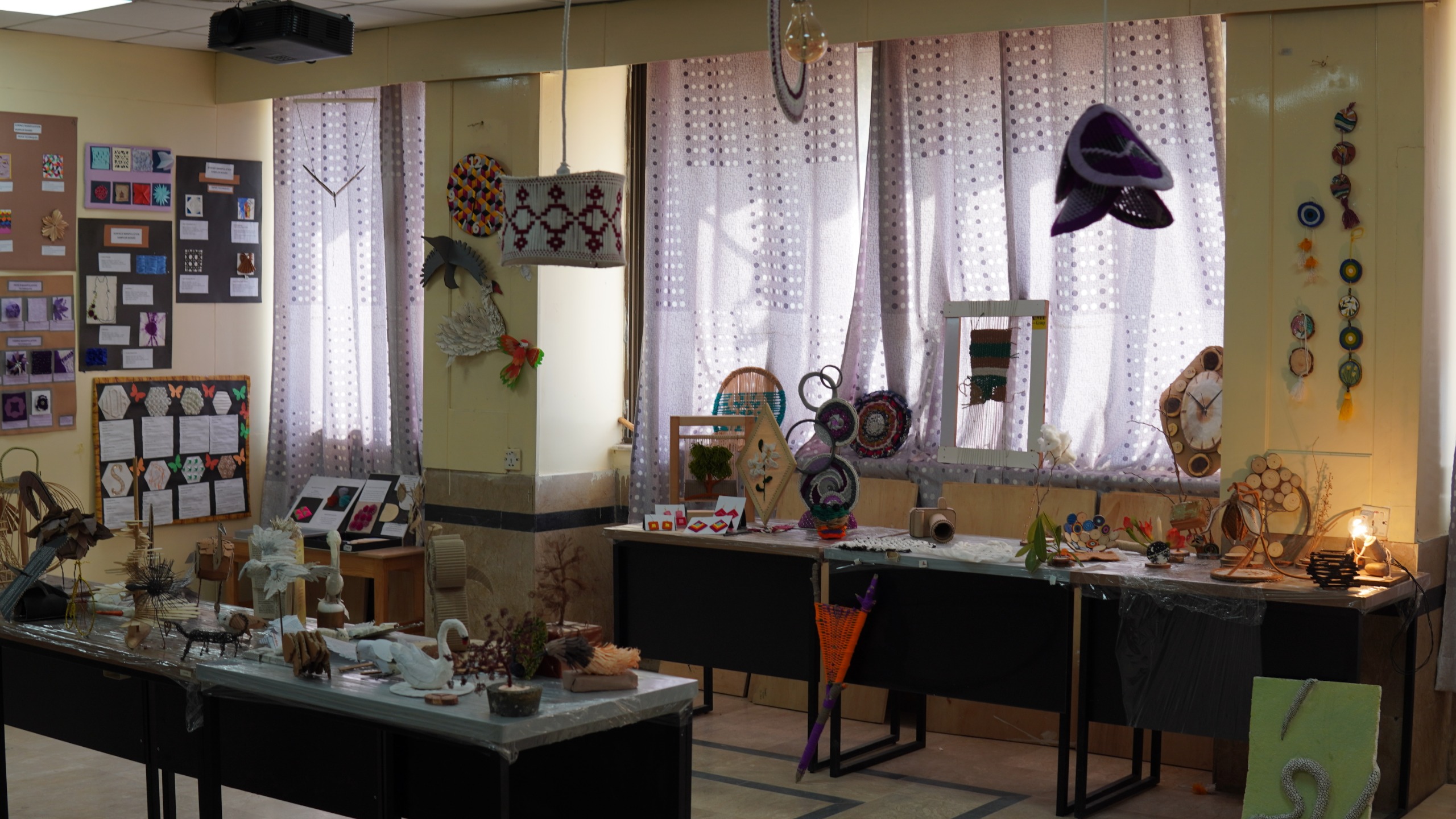 Every artwork reflected imagination, perspective, and the confidence to transform ideas into meaningful visual expression.
The first-semester displays stood out for their thoughtful presentation and energy. Despite being early in their academic journey, students demonstrated confidence in both execution and concept. The exhibition revealed how structured guidance helps emerging artists grow quickly.
Visitors could see progression, not just finished pieces, but also evidence of exploration and learning.
Learning doesn’t stop at creation
Preparing for an exhibition introduces a different kind of learning. Students began thinking like curators as well as creators.
How should artwork be placed? What draws attention first? How does spacing influence interpretation? These questions pushed students to consider the viewer’s perspective.
_1776398456.jpeg) A vibrant celebration of creativity, artistic expression, and the imagination shared through student work at UOR.
A vibrant celebration of creativity, artistic expression, and the imagination shared through student work at UOR.
Through this process, artistic practice became more intentional. Presentation transformed into storytelling, allowing students to communicate ideas more effectively.
When creativity meets community
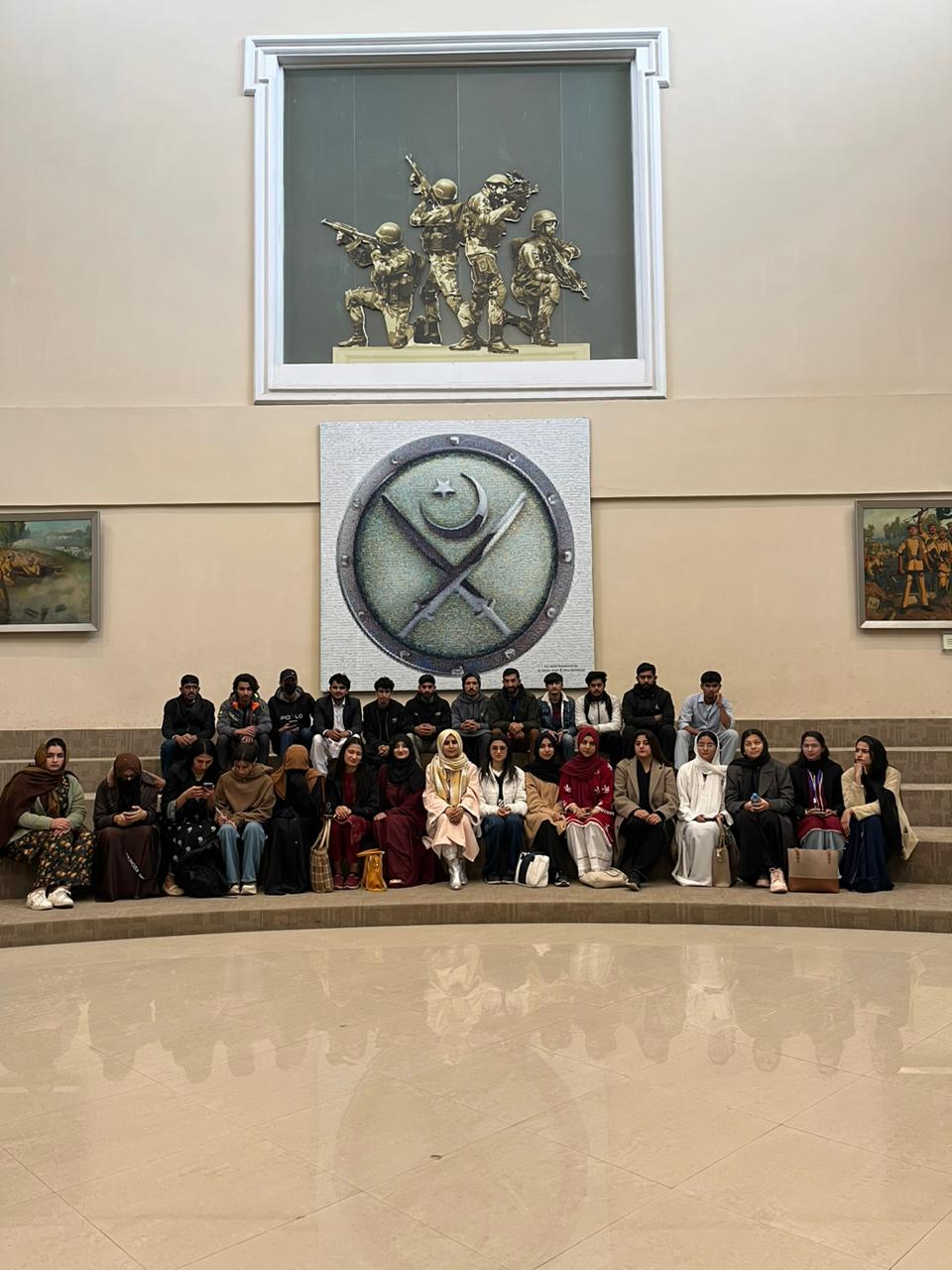
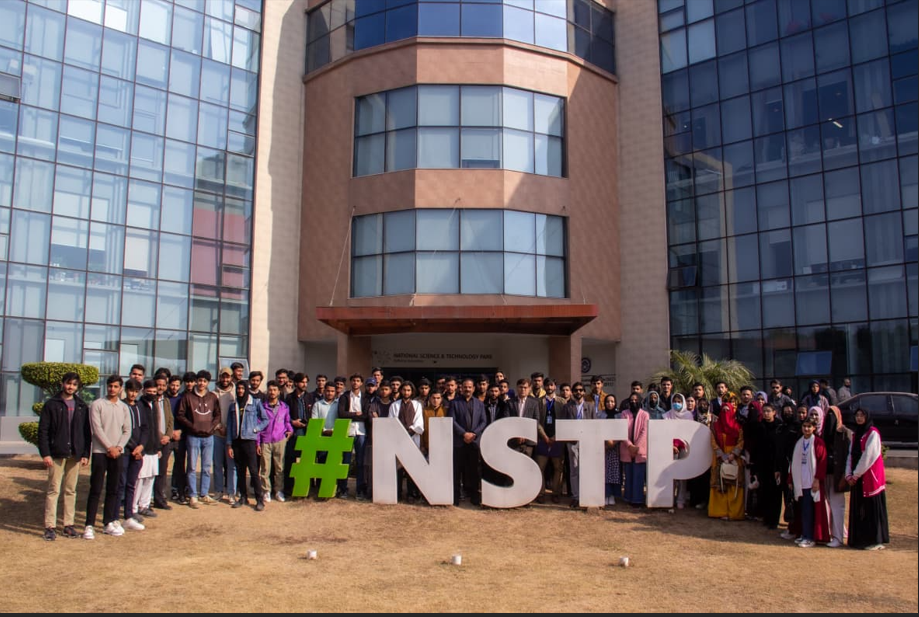
The exhibition brought together students, faculty, and visitors from across campus. People moved through the displays with curiosity, stopping to discuss techniques, themes, and visual details.
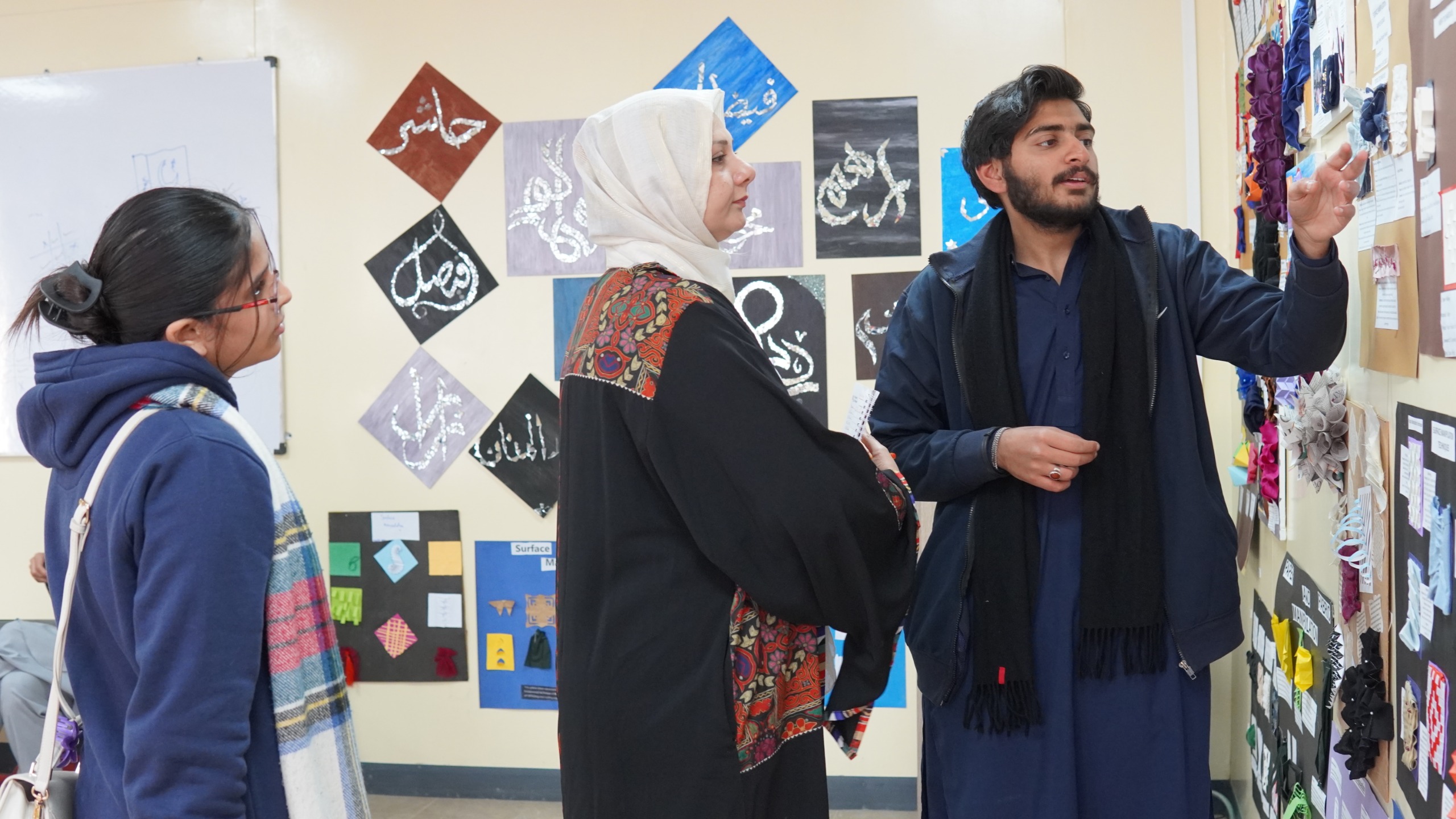 Behind every creative piece was a journey of experimentation, learning, and personal artistic expression.
Some visitors observed quietly. Others engaged in conversations that extended beyond art itself, discussing inspiration, cultural influences, and personal interpretations.
Moments like these strengthen campus culture. They remind everyone that creativity is not isolated; it grows through shared experiences and dialogue.
Professional insight turns effort into progress
A key highlight of the exhibition was the feedback provided by the jury panel. Their perspectives added depth to the learning experience.
Renowned sculptor Faseeh bin Amir, known for his expertise in anatomy and drawing, evaluated student work with a focus on observation and structural understanding. His insights encouraged students to refine their technical foundations while maintaining expressive freedom.
Architect and multidisciplinary artist Taimur Jamil Chughtai contributed a broader creative perspective shaped by photography, cinematography, and contemporary art practices. His feedback emphasized experimentation and the importance of exploring different visual languages.
_1776398768.jpeg) Behind every creative piece was a journey of experimentation, learning, and personal artistic expression.
Behind every creative piece was a journey of experimentation, learning, and personal artistic expression.
Both jurors encouraged students to engage more with real-life observation. Working from live models and outdoor landscapes, they noted, enhances depth, accuracy, and emotional connection in ways that photographs alone cannot replicate.
Constructive critique allowed students to view their work through a professional lens, not as final outcomes but as steps in an ongoing creative journey.
More than an exhibition. A milestone
For many students, this was their first public showcase. Presenting work beyond the classroom required courage and confidence.
_1776399037.jpeg) Meaningful engagement and thoughtful feedback encouraged students to present their creativity with greater confidence and purpose.
Meaningful engagement and thoughtful feedback encouraged students to present their creativity with greater confidence and purpose.
The experience helped students understand how audiences engage with art. Seeing viewers react, pause, or interpret pieces differently created new awareness about communication through visuals.
Exhibitions mark important transitions. They signal growth from private experimentation to public dialogue.
Why creativity thrives at UOR
At UOR, creative education focuses on exploration as much as skill-building. Students are encouraged to experiment, challenge ideas, and develop unique artistic voices.
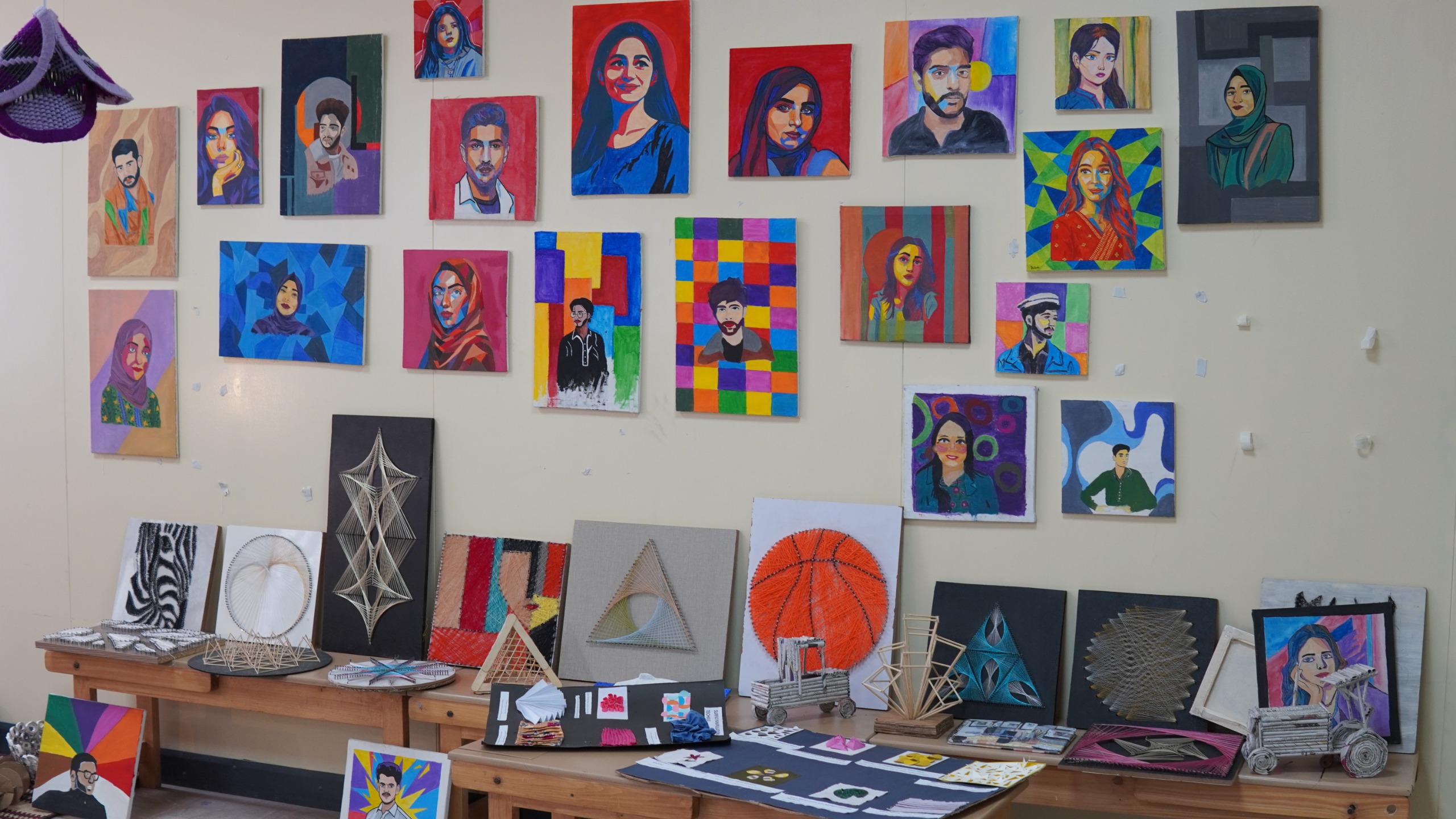 The occasion celebrated not only artistic talent, but also the creativity, effort, and passion behind every contribution.
Supportive mentorship and collaborative environments allow learners to grow at their own pace while pushing boundaries. The DDCA exhibition reflects this philosophy, a space where experimentation is welcomed and individuality is celebrated.
Such experiences prepare students not only for artistic careers but also for creative thinking across industries.
Start where your creativity grows
University is more than lectures and assignments. It is about discovery, expression, and transformation.
At UOR, creativity moves beyond classrooms and becomes part of the campus experience. The DDCA exhibition captured this spirit, a reminder that artistic journeys begin with curiosity and grow through opportunity.
For students ready to turn imagination into impact, this is where the story begins
Explore DDCA at UOR
Where creativity meets structured learning.
See how BS DDCA helps students turn ideas into practical design skills and meaningful digital experiences.